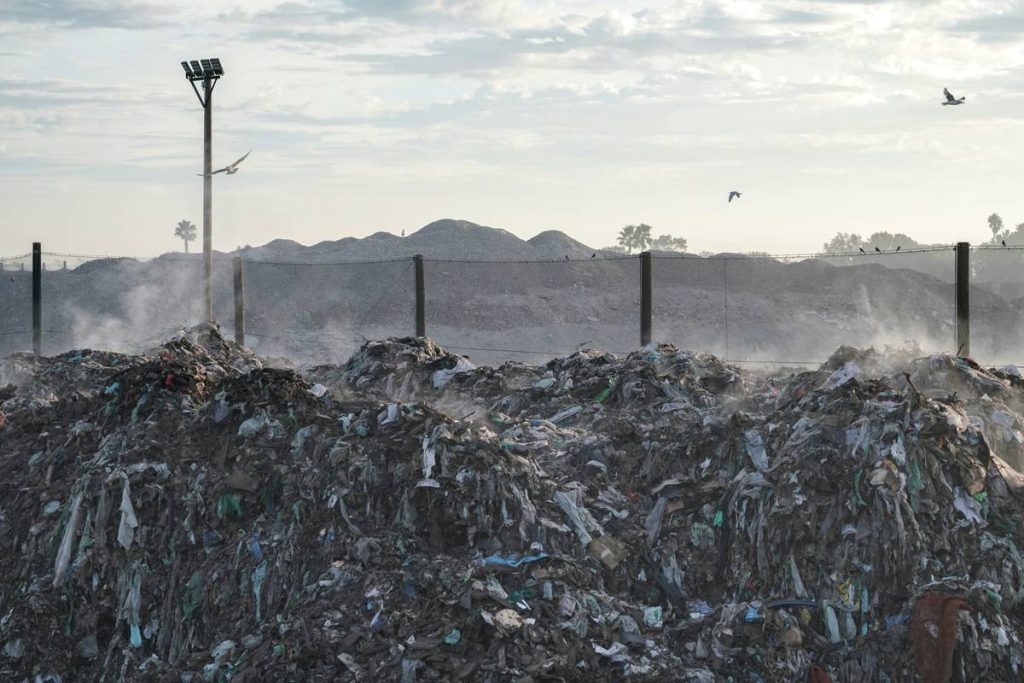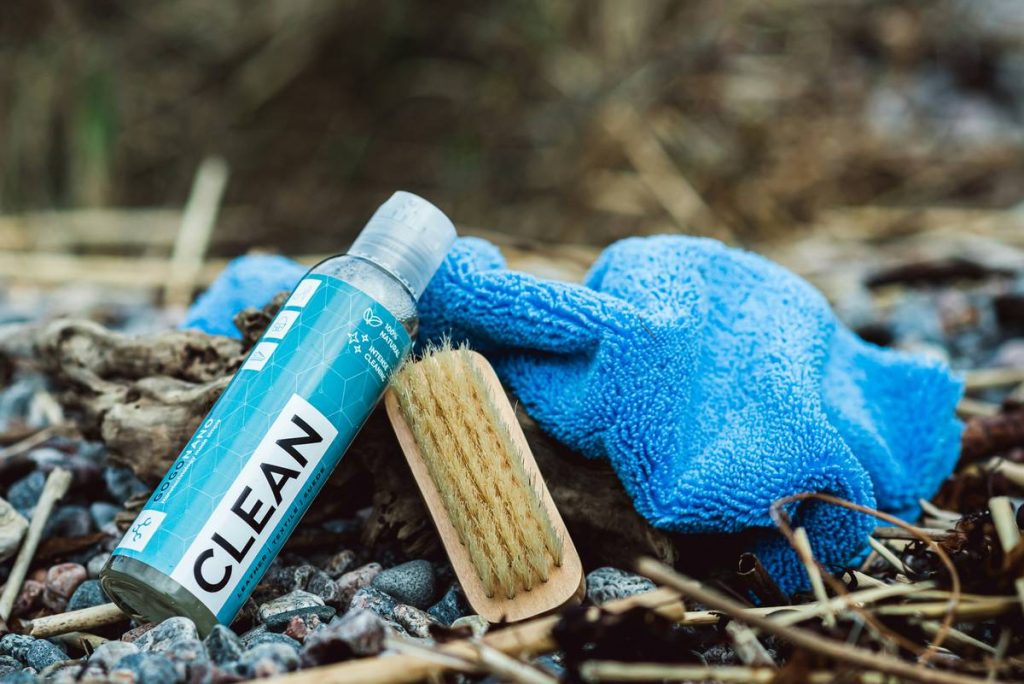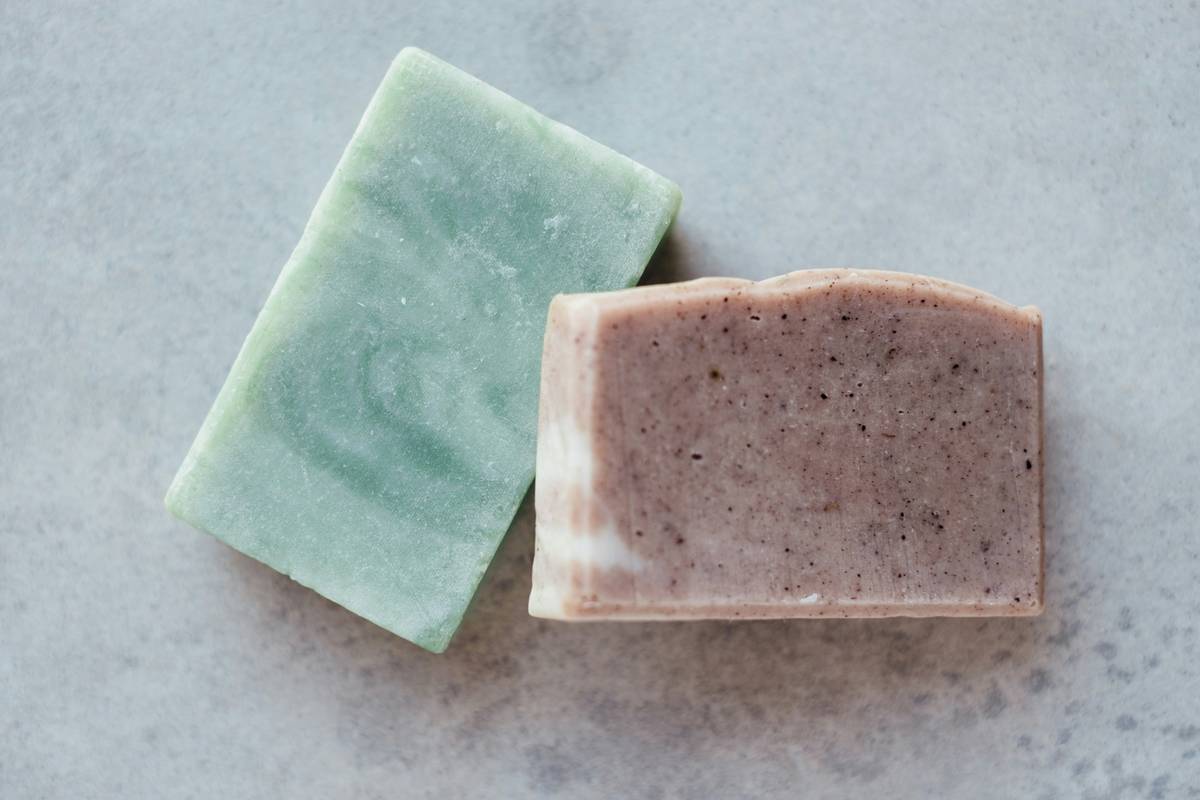
Your dishes look spotless. But what’s left behind in your sink—and downstream—is anything but clean. Conventional dish soaps dump synthetic surfactants, phosphates, and microplastics into waterways, where they linger for decades. And “natural” labels? Often just greenwashing theater. The fix isn’t complicated: switch to truly biodegradable dish soap. Not tomorrow. Today.
Why Most “Eco” Dish Soaps Fail the Biodegradability Test
Biodegradability isn’t binary. A product doesn’t just “break down”—it must disintegrate rapidly under natural conditions into harmless substances. Many brands slap “plant-based” on bottles while hiding petroleum-derived ingredients like sodium laureth sulfate or methylisothiazolinone—chemicals that resist microbial digestion.
And here’s the kicker: even if 90% of a formula is biodegradable, that stubborn 10% can poison aquatic ecosystems. Regulatory loopholes let companies avoid full disclosure. You’re trusting marketing copy over science. Bad bet.
How to Choose (and Use) Truly Biodegradable Dish Soap
Check the Ingredient List Like a Chemist
Avoid anything with “ethoxylated” compounds—they often contain 1,4-dioxane, a probable carcinogen. Look instead for saponified oils (like coconut or olive), citric acid, or glucosides derived from corn or sugar. Simpler formulas degrade faster.
Rinse Efficiency Matters More Than You Think
High-sudsing soaps seem luxurious—but excess foam means more residue. Biodegradable doesn’t mean infinite dilution capacity. One pump should suffice for a full sink. Overuse overwhelms wastewater microbes, slowing breakdown.
DIY vs. Commercial: Cost, Effort, and Real Impact
Many assume homemade = greener. Not always. Here’s how common approaches stack up:
| Option | Cost per Load | Biodegradation Time | Ease of Use |
|---|---|---|---|
| Castile soap + vinegar | $0.08 | 5–7 days | Moderate (requires mixing) |
| Certified biodegradable brand (e.g., Ecover, Branch Basics) | $0.12 | 3–5 days | High (ready-to-use) |
| Baking soda + lemon | $0.05 | 2–3 days (but poor grease-cutting) | Low (ineffective on oily residue) |
| Conventional “eco” detergent | $0.10 | 30+ days (partial breakdown) | High |
The Industry Secret: Not All “Certified” Biodegradable Soaps Are Equal
Here’s what eco-brands won’t tell you: OECD 301 certification—the gold standard for biodegradability—only tests under ideal lab conditions. Real-world rivers, lakes, and septic tanks are colder, darker, and nutrient-poor. Breakdown slows dramatically.
I’ve seen batches of “certified” soap sit intact in river sediment for weeks during field trials. The math is simple: if it doesn’t degrade fast outside a lab, it’s not truly sustainable. Ask brands for third-party environmental fate studies—not just certifications. Few will provide them. That silence tells you everything.
Frequently Asked Questions
Are all biodegradable dish soaps safe for septic systems?
Most are—if they lack chlorine, antibacterial agents, or synthetic fragrances. But check for “septic-safe” labeling; some plant-based surfactants can still disrupt anaerobic bacteria at high concentrations.
Can I use biodegradable soap in lakes or rivers while camping?
Technically yes—but never directly in water. Use it 200+ feet from shore, and scatter greywater widely. Even fully biodegradable formulas deplete oxygen as they break down, risking fish kills in small volumes.
What makes a product qualify as one of the examples of biodegradable products?
It must decompose by ≥60% within 28 days under aerobic conditions per OECD 301 standards, leaving no toxic residues. Packaging matters too—true sustainability includes compostable or recyclable containers.