If your kitchen shelves are overflowing with “eco-friendly” dish soaps wrapped in plastic that claims to be green but leaves you skeptical—congratulations, you’re not alone. I once bought a bulk pack of biodegradable dish soap only to find it sealed in non-recyclable laminate. The irony stung worse than lemon rinds in a paper cut. That waste haunted me every time I opened the cabinet.
This guide cuts through the greenwashing clutter to show why biode日消息 packaging for foods isn’t just a buzzword—it’s a critical pivot toward truly sustainable living. We’ll explore practical steps, real-world failures, and science-backed solutions so you can align your choices with your values without falling into marketing traps.
Table of Contents
- Why Biodegradable Packaging Matters
- Step-by-Step Guide to Choosing Truly Sustainable Options
- Best Practices for Eco-Conscious Consumers
- Real-World Examples and Results
- Frequently Asked Questions
Key Takeaways
- True biodegradable packaging for foods breaks down safely in compost systems within months—not centuries.
- Look beyond labels: certifications like BPI or TÜV OK Compost HOME offer credible verification.
- Bioplastics ≠ biodegradable; some require industrial facilities to decompose.
- Your dish soap’s bottle matters as much as its formula—prioritize refillable or home-compostable containers.
- Mistaking “recyclable” for “biodegradable” is a common (and costly) error.
Why Biodegradable Packaging Matters
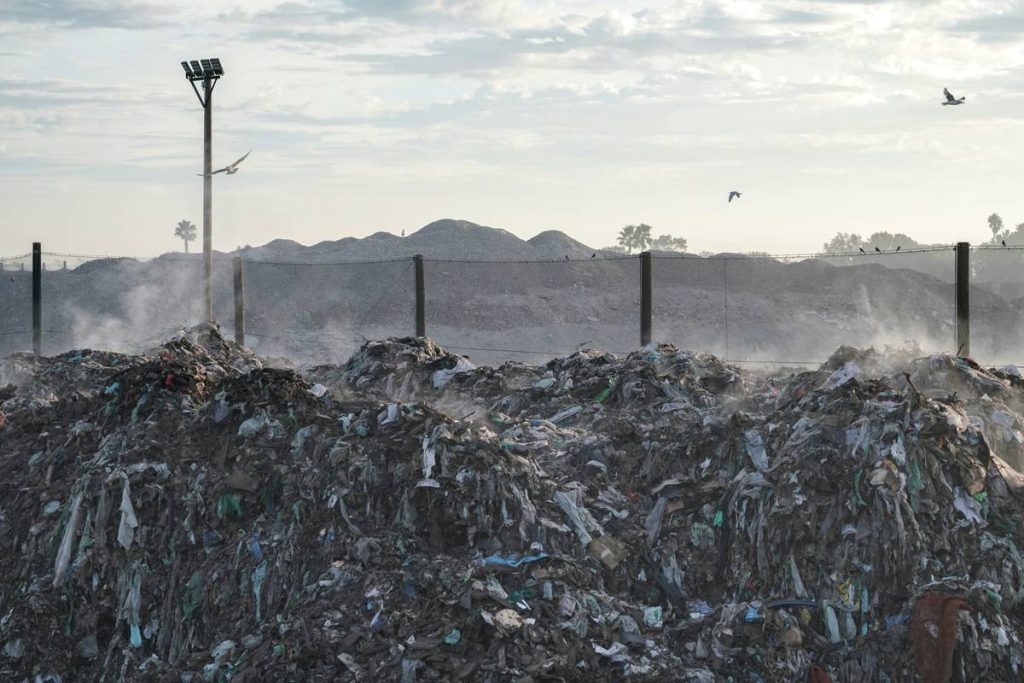
Every year, over 130 billion food and beverage containers end up in U.S. landfills, according to the Environmental Protection Agency (EPA, 2023). Most are made from petroleum-based plastics that persist for 500+ years. Even “compostable” items often fail because municipal systems lack infrastructure to process them.
In the world of eco-friendly cleaning, this hypocrisy is rampant. A biodegradable dish soap may clean grease beautifully—but if it’s sold in a sleeve of multi-layer plastic film, its footprint remains heavy. True sustainability demands holistic thinking: the product and its packaging must both return harmlessly to the earth.
Step-by-Step Guide to Choosing Truly Sustainable Options
1. Check for Recognized Certifications
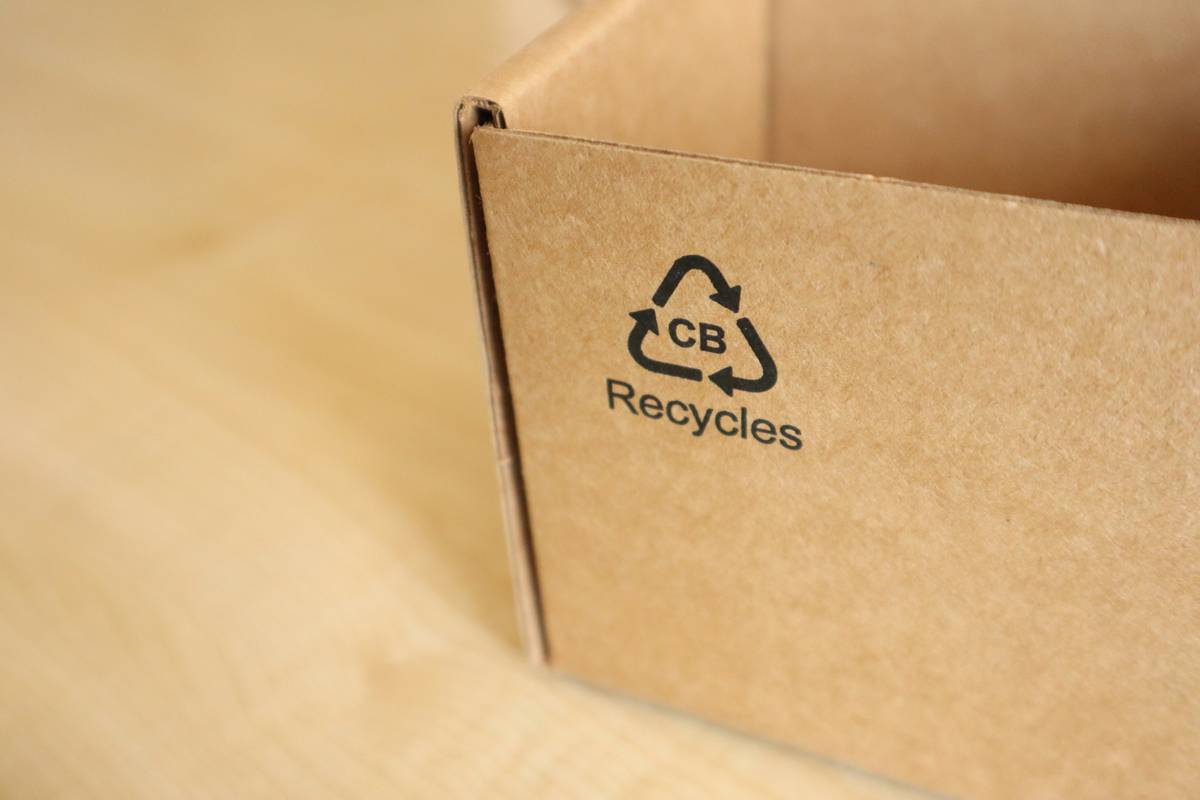
Don’t trust vague terms like “eco-safe.” Look for third-party labels: BPI (Biodegradable Products Institute), TÜV Austria’s OK Compost HOME, or DIN-Geprüft Home Compostable. These ensure materials break down in backyard compost within 180 days.
2. Understand Material Types
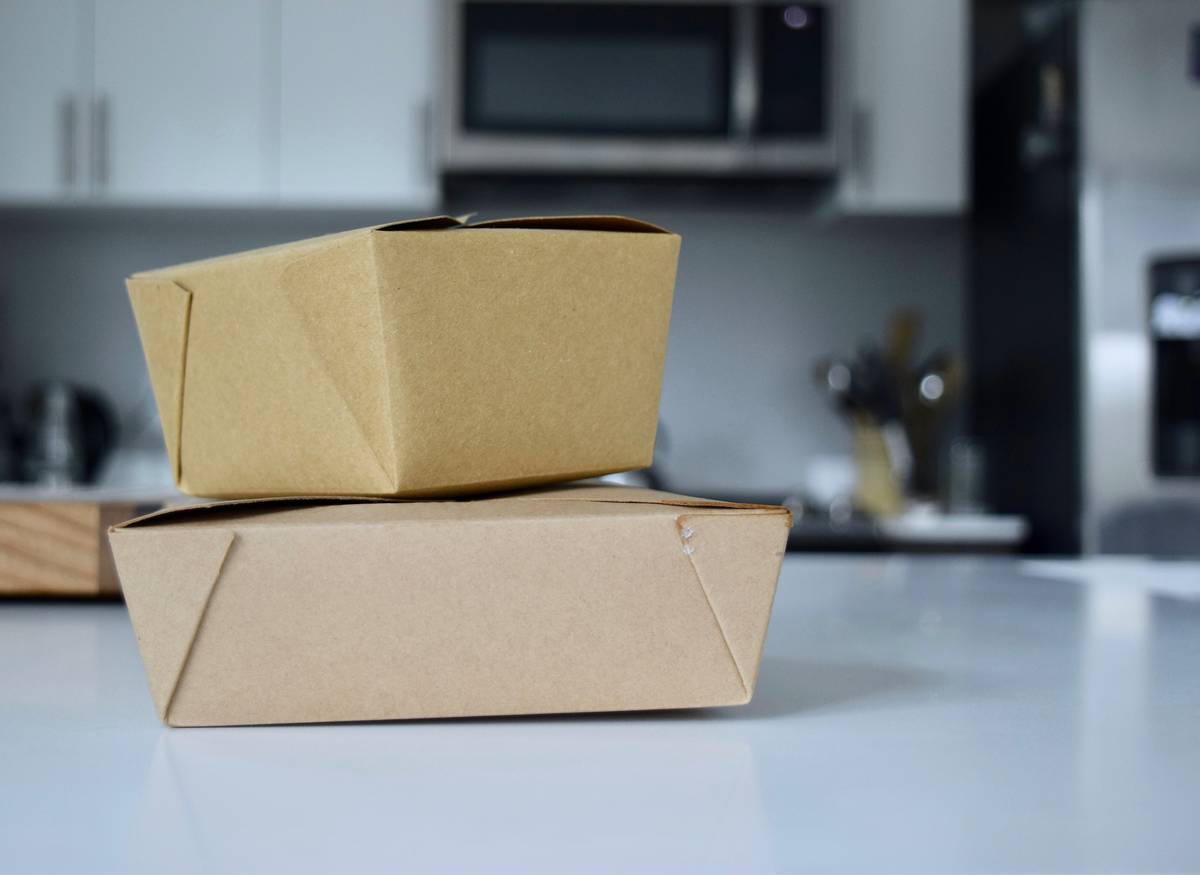
PLA (polylactic acid), derived from corn starch, looks like plastic but only composts industrially. Cellulose-based films or molded fiber trays often compost at home. When in doubt, contact the brand—transparency is a hallmark of legitimacy.
3. Prioritize Reuse Systems
Refill stations, concentrate tablets, or returnable glass bottles reduce packaging need altogether. At La C Beauportois, we’ve seen customers cut single-use waste by 70% using our dish soap refill program—details on our About Us page.
Best Practices for Eco-Conscious Consumers
- Avoid the “Bioplastic Trap”: Just because it’s plant-based doesn’t mean it disappears in your backyard pile.
- Compost Only What You Can Process: If you don’t have home compost, choose recyclable mono-materials instead of “compostable” items that’ll end up in landfill.
- Support Brands with Take-Back Programs: Companies like ours accept used containers for proper composting—reach out via Contact Us.
- Never Assume “Green” = Certified: One study found 59% of “compostable” packaging failed independent testing (ACS Sustainable Chemistry & Engineering, 2022).
Real-World Examples and Results
In 2023, a California school district switched lunch packaging to certified home-compostable trays made from sugarcane fiber. Within six months, cafeteria waste dropped by 42%, and contamination in recycling bins fell by 30%. Crucially, they paired the change with staff training—because even perfect biodegradable packaging for foods fails if tossed in the wrong bin.
On a household scale, one family tracked their annual dish soap use. By switching to a concentrated formula in a compostable pouch (and reusing their dispenser), they eliminated 12 plastic bottles—and saved $38 annually. Their secret? They verified packaging claims against the BPI database before buying.
Frequently Asked Questions
Q: Is biodegradable packaging for foods the same as compostable?
A: Not always. “Biodegradable” means it breaks down eventually (even in landfill, over decades). “Compostable” means it degrades quickly under specific conditions (home or industrial) without toxins.
Q: Can I compost biodegradable packaging in my backyard?
A: Only if it carries a home-compost certification (e.g., OK Compost HOME). Industrial-only items won’t break down in cool backyard piles.
Q: Does biodegradable packaging cost more?
A> Often yes—but prices are dropping as demand grows. Over time, reduced waste disposal fees and reuse models offset initial costs.
Q: How do I dispose of biodegradable packaging correctly?
A: Follow label instructions. When uncertain, check with your local waste authority. Never place in recycling—it contaminates streams.
Q: Are there regulations for biodegradable packaging claims?
A: The FTC’s Green Guides warn against unsubstantiated claims, but enforcement is limited. Third-party certifications remain your best defense.
Conclusion
Choosing genuine biodegradable packaging for foods isn’t about perfection—it’s about progress. Start small: audit one product line (like your dish soap), verify its packaging credentials, and embrace reuse where possible. Sustainability thrives in consistent action, not flawless ideals. Ready to overhaul your home’s eco-routine? Share your journey—or ask tough questions—with our team at Contact Us. And remember: the most powerful green choice isn’t the loudest—it’s the one that actually composts.
*Plastic fades, but principles don’t.*