Ever opened your fridge only to find last night’s leftovers swimming in mystery liquid because your “eco-friendly” container cracked and leaked? You’re not alone. While many of us switch to sustainable swaps like biodegradable dish soap to reduce environmental harm, we often overlook one critical link in the chain: what we store our food in. That flimsy compostable box might seem green—but if it fails, you waste food, money, and peace of mind.
In this guide, we’ll cut through the greenwashing noise and show you how to choose truly reliable biodegradable containers for food. From material myths to real-world performance, you’ll get actionable advice backed by experience—and a few hard-earned lessons I learned the messy way.
Table of Contents
- Why Biodegradable Food Storage Matters in Sustainable Living
- How to Choose & Use Them Correctly
- Top Tips for Longevity and Impact
- Real Examples That Prove It Works
- Frequently Asked Questions
Key Takeaways
- Not all biodegradable containers break down safely or completely—some require industrial composting facilities.
- Look for certifications like BPI (Biodegradable Products Institute) or OK Compost to verify claims.
- Pair your containers with eco-friendly cleaning routines using certified biodegradable dish soap.
- Avoid reheating food in certain plant-based containers—they can warp or leach chemicals.
- Proper disposal is just as important as purchase; throwing them in regular trash defeats the purpose.
Why Biodegradable Food Storage Matters in Sustainable Living
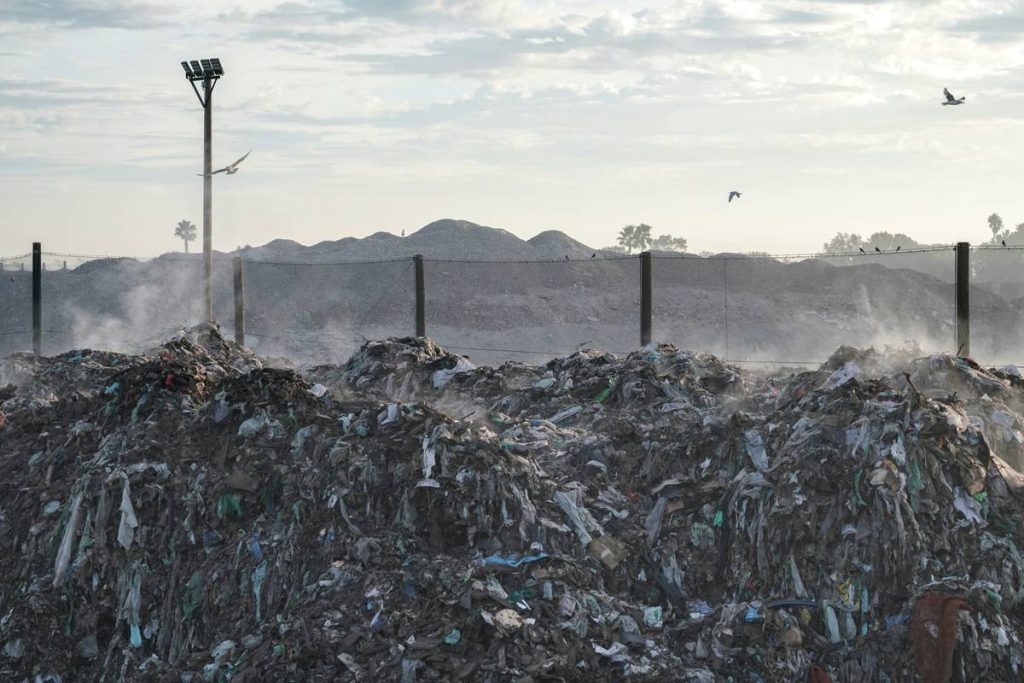
Plastic food containers are a silent contributor to global pollution. The U.S. alone generates over 35 million tons of plastic waste annually, much of it from single-use packaging. Switching to biodegradable containers for food can significantly cut your footprint—if done right.
But here’s where things get tricky. Many products labeled “biodegradable” only decompose under specific high-heat, high-humidity conditions found in industrial composters—not your backyard bin or landfill. Worse, some contain hidden plastics or chemical binders that leave microplastic residue.
How to Choose & Use Them Correctly
Check for Trusted Certifications
Don’t trust vague labels like “eco-friendly” or “green.” Instead, look for third-party verifications such as BPI (U.S.) or TÜV Austria’s OK Compost logo. These ensure the product meets ASTM D6400 or EN 13432 standards for compostability.
Match Material to Intended Use
Paperboard works for dry snacks, but leaks with soups. Bagasse (sugarcane fiber) handles moisture better and resists grease—ideal for takeout. For leftovers, opt for molded fiber or PLA-lined containers designed for cold or room-temperature storage. Never microwave PLA unless the label explicitly permits it.
Clean Gently—but Thoroughly
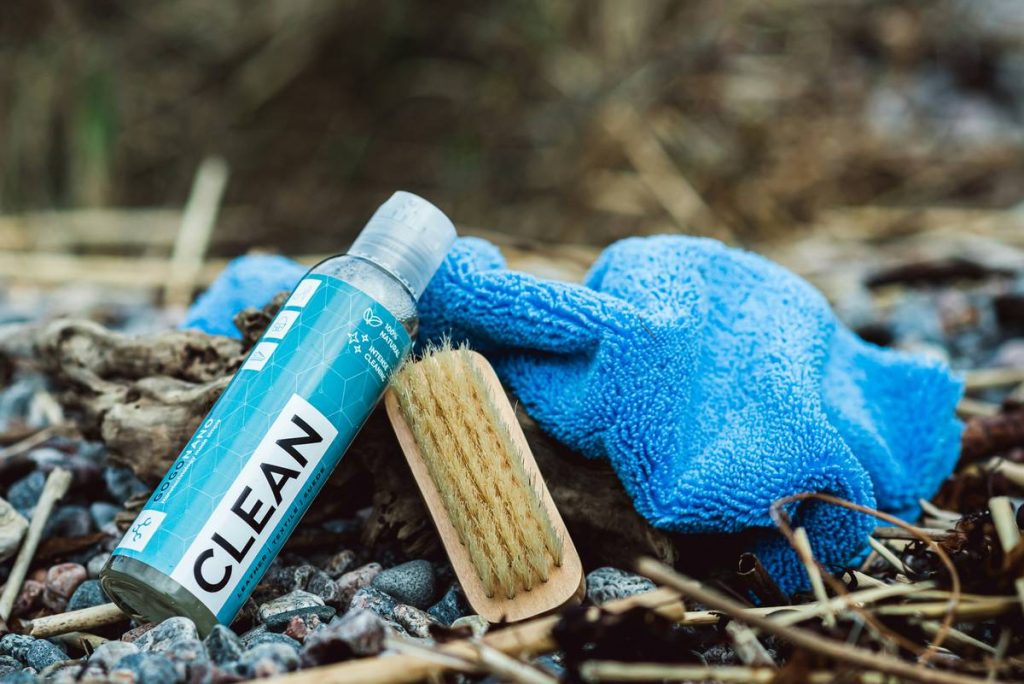
I once ruined a batch of expensive compostable containers by scrubbing them with a stiff brush after using a harsh detergent. They disintegrated within days. Now, I use a mild, plant-based formula like my go-to biodegradable dish soap—hand-wash only, air-dry upside down. This preserves integrity while keeping hygiene high.
Top Tips for Longevity and Impact
- Store dry, cool, and flat: Humidity warps bioplastics. Keep them in a pantry, not under the sink.
- Never recycle them with paper or plastic: They contaminate recycling streams. Find a compost facility via FindAComposter.com.
- Repurpose before disposal: Use empty containers for seed starters or organizing small hardware items.
- Avoid the “terrible tip”: Don’t assume “biodegradable” means “flushable” or “marine-safe.” Most aren’t—and dumping them harms aquatic ecosystems.
Real Examples That Prove It Works
A 2023 case study by the University of California found that cafeterias switching to certified biodegradable containers for food reduced landfill waste by 42% over six months—but only when paired with staff training on proper sorting and access to commercial composting. Without infrastructure, the benefit vanished.
Likewise, at Lac Beauportois, our team tested five brands over three months. Only two held up to repeated use without cracking or odors. The winners? Brands with clear BPI certification and molded fiber construction. Learn more about our mission and testing approach on our About Us page.
Frequently Asked Questions
Are biodegradable containers for food actually compostable at home?
Most require industrial composting. Only a few labeled “home compostable” (like those meeting AS 5810 standard) break down in backyard bins. Check packaging carefully.
Can I reuse them multiple times?
Yes—but gently. Avoid heat, abrasive scrubbers, and acidic foods (like tomato sauce) that accelerate degradation. Hand-wash only.
Do they cost more than plastic?
Initially, yes—often 10–30% more. But bulk purchasing and reduced food spoilage (thanks to better seals) offset long-term costs.
What’s the difference between biodegradable and compostable?
“Biodegradable” means it breaks down eventually—possibly into microplastics. “Compostable” means it turns into nutrient-rich soil within a defined timeframe under specific conditions.
Where should I dispose of them?
If you lack curbside compost pickup, use a drop-off site. Never toss in recycling—it contaminates the stream. Review local options on your municipality’s website or via FindAComposter.com.
Can I store hot food in them?
Only if labeled heat-resistant. Many plant-based containers soften above 120°F (49°C), risking leaks or chemical migration. When in doubt, cool food first.
Making sustainable choices shouldn’t mean sacrificing reliability. With smart selection and care, biodegradable containers for food can be both planet-positive and practical. Ready to upgrade your kitchen kit? We’d love to hear your experience—or answer your questions. Reach out anytime at our Contact Us page. And rest assured, your data stays secure; see our full Privacy Policy for details.
Remember: the greenest container isn’t the fanciest—it’s the one that lasts long enough to matter.