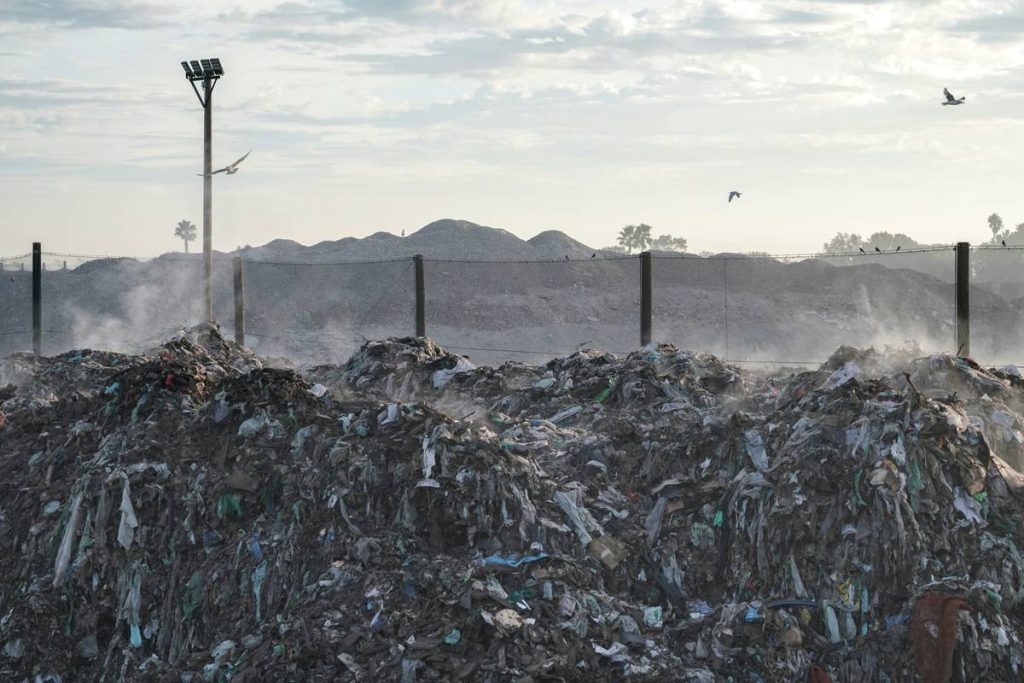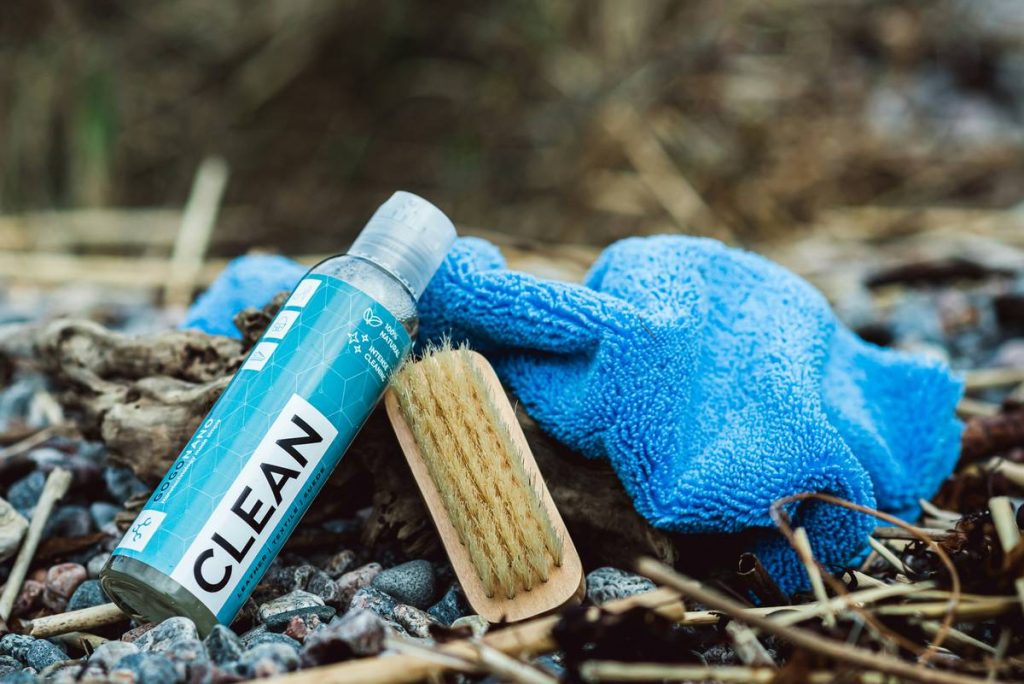
You scrub, rinse, and dry—but your dish soap leaves a toxic trail behind. Most “green” brands still sneak in synthetic surfactants that linger in rivers and soil for years. The result? You’re cleaning your plates while dirtying the planet. There’s a better way: switching to certified biodegradable dish soap that actually breaks down safely—fast.
Why Conventional “Eco” Dish Soaps Fail the Biodegradability Test
Many soaps labeled “natural” or “plant-based” aren’t fully biodegradable. They rely on petrochemical-derived foaming agents like SLES that degrade slowly—or not at all. Even worse, some break into microplastics. And regulatory loopholes let manufacturers slap “eco-friendly” on bottles with minimal proof.
Here’s the reality: if it doesn’t meet OECD 301 standards for ready biodegradability, it’s greenwashing—not green living.
Building Your Own list of biodegradable products: A Practical Step-by-Step Guide
Start in your kitchen sink. That’s ground zero for daily chemical runoff. Choosing a truly biodegradable dish soap cuts aquatic toxicity at the source—and sets the tone for your entire sustainable home.
Check Certifications First, Not Marketing Claims
Look for third-party verification: Ecocert, USDA Certified Biobased, or Safer Choice labels. These require actual lab testing—not just buzzwords.
Read Beyond the Front Label
Flip the bottle. Ingredients like “sodium lauryl sulfate” (SLS) or “fragrance” often mask petroleum derivatives. True biodegradable formulas use coconut or corn-derived glucosides—they foam cleanly and vanish within days in water systems.
Compare Performance vs. Planet Impact
Biodegradability shouldn’t mean sacrificing cleaning power. Many plant-based soaps now outperform conventional ones on grease removal—without leaving residues.
| Brand Type | Avg. Cost per Ounce | Biodegradability Standard Met | Grease-Cutting Power (1–5) | Plastic Packaging? |
|---|---|---|---|---|
| Conventional “Green” Brand | $0.18 | None verified | 4 | Yes |
| Certified Biodegradable Soap | $0.25 | OECD 301B | 5 | No (refillable or cardboard) |
| DIY Castile-Based Mix | $0.10 | Potentially full (if diluted properly) | 3 | No |
The Industry Secret: Not All “Biodegradable” Means Safe
Here’s what few disclose: a product can be technically biodegradable yet still toxic during breakdown. For example, some soaps release formaldehyde donors as they decompose—harmful even in trace amounts. And pH matters. Highly alkaline formulas may break down but disrupt aquatic ecosystems by altering water chemistry.
But the real insider move? Prioritize soaps with full ingredient transparency and readily biodegradable claims—not just “ultimately biodegradable,” which can take months. Speed + safety = true sustainability.
FAQ
What makes a dish soap truly biodegradable?
It must break down into harmless substances within 28 days under standard OECD 301 tests—with no toxic residues.
Can I trust store-brand “natural” dish soaps?
Rarely. Most lack third-party certification. Always check for Ecocert, Safer Choice, or explicit OECD compliance.
Are biodegradable dish soaps more expensive?
Slightly—about 20–30% more per ounce. But many come in concentrate or refill formats that lower long-term costs.