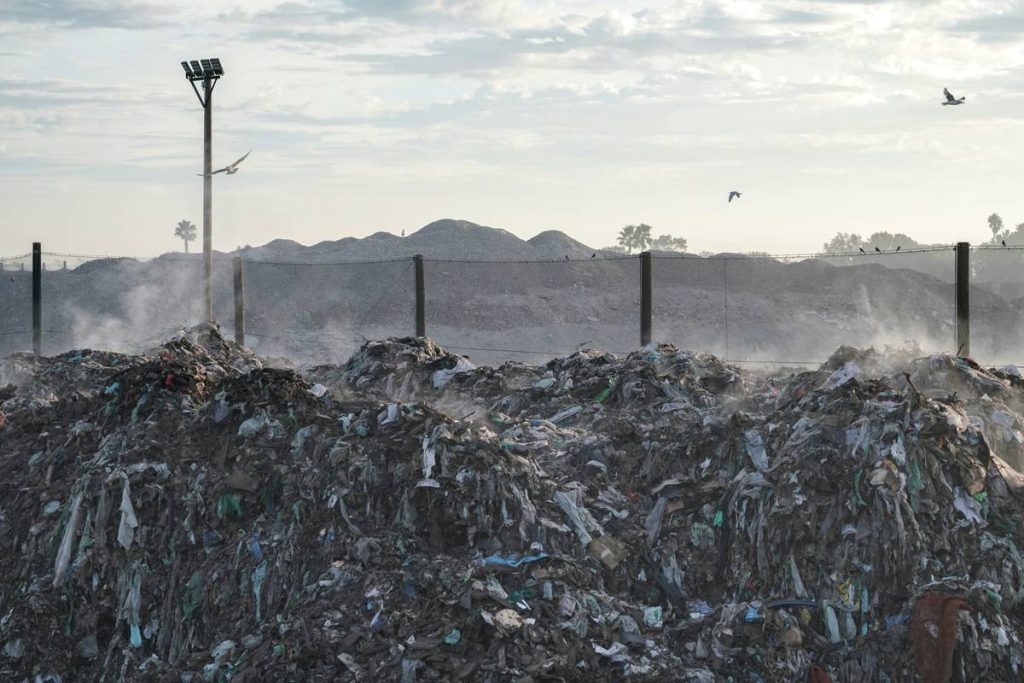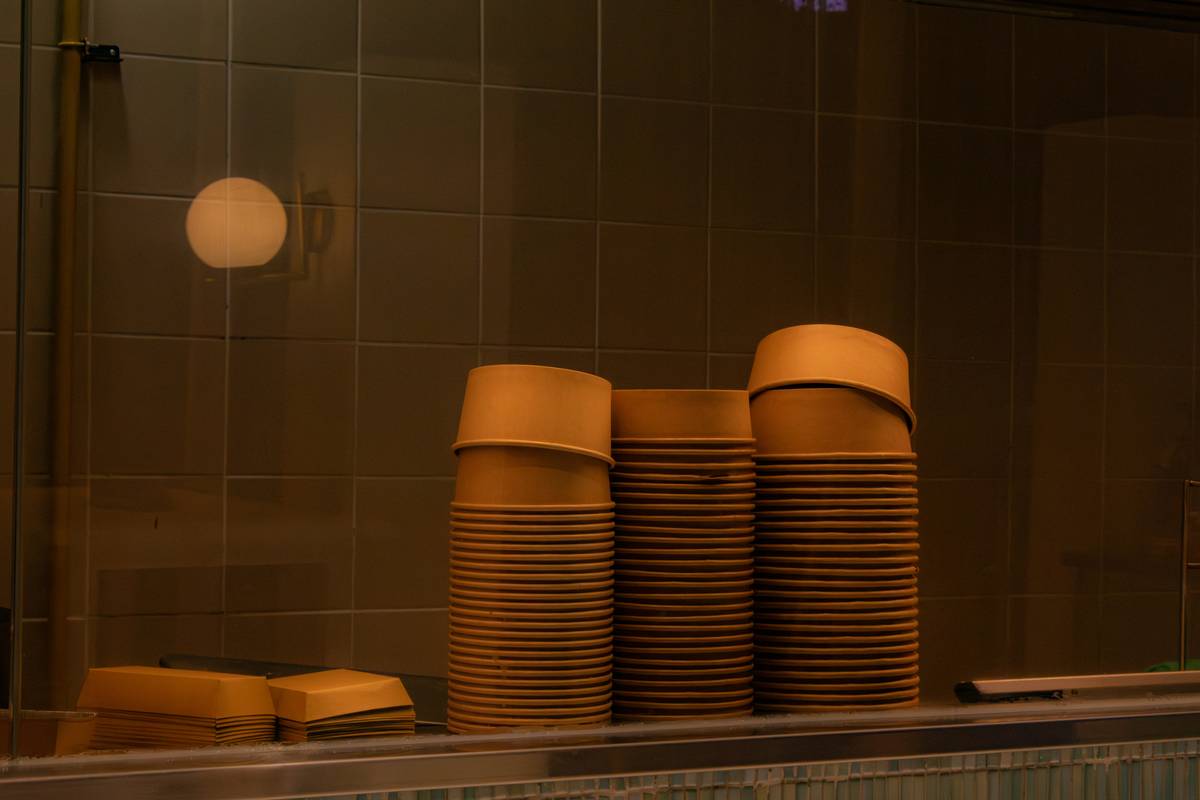
Most “eco-friendly” kitchen swaps are half-measures. You’re still wrapping leftovers in plastic-lined parchment, grabbing compostable-looking takeout containers that don’t actually break down, or tossing paper plates coated in invisible PFAS chemicals. The result? Your well-intentioned habits feed landfill overflow and water contamination. But there’s a silent hero hiding in plain sight: biodegradable paper products for food. And they work—if you know what to look for.
The Dirty Truth About “Eco” Paperware
Not all paper labeled “green” is created equal. Many disposable plates, bowls, and food wraps use biodegradable paper as a marketing veneer—but embed synthetic coatings (like polyethylene or PFAS) to resist grease and moisture. These don’t decompose. They fragment into microplastics.
And municipal compost facilities often reject them. Contamination thresholds are strict. One greasy, non-compostable cup can derail an entire batch.
Worse: consumers assume “paper = safe.” It’s not. The real issue isn’t the material—it’s the hidden chemistry.
How to Choose & Use Truly Biodegradable Paper Products for Food
Forget vague labels. Focus on certifications, composition, and end-of-life reality.
Certifications That Actually Matter
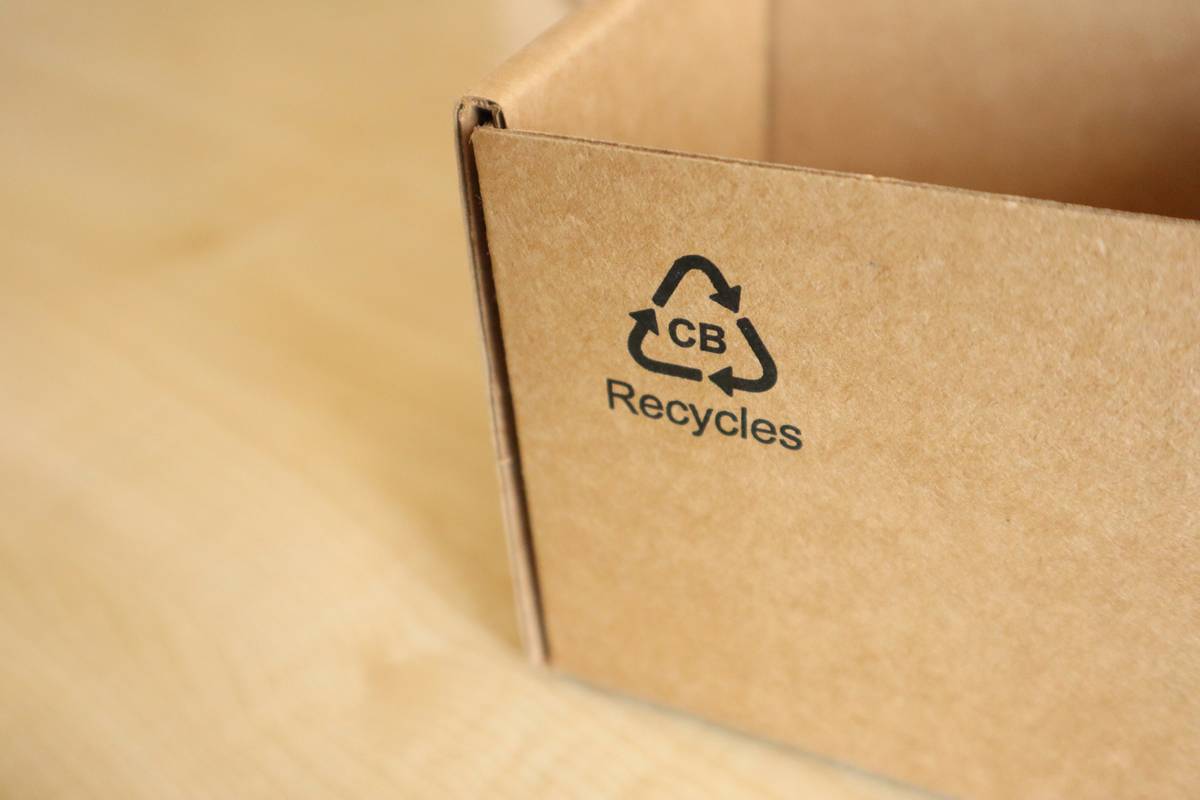
Look for BPI (Biodegradable Products Institute) or TÜV OK Compost HOME logos. These verify full breakdown in commercial or home compost systems—no toxic residue.
Avoid These Coatings at All Costs
PFAS (“forever chemicals”), polyethylene (PE), and PLA (corn-based plastic) masquerading as compostable. PLA needs industrial heat (140°F+) to degrade—your backyard pile won’t cut it.
Performance vs. Planet: A Realistic Trade-Off
Uncoated molded fiber plates absorb moisture fast. Great for dry snacks. Terrible for saucy pasta. Match the product to your meal—not your idealism.
| Product Type | Truly Biodegradable? | Home-Compost Safe? | Best For |
|---|---|---|---|
| Bamboo fiber plates (uncoated) | Yes | Yes | Dry foods, appetizers, bread |
| Paper napkins (undyed, chlorine-free) | Yes | Yes | All meals—zero risk |
| “Compostable” takeout containers (PLA-lined) | No | No | Avoid—greenwashing alert |
| Sugarcane bagasse bowls (BPI-certified) | Yes | Commercial only | Hot soups, saucy dishes |
The Industry Secret No Brand Wants You to Know
Here’s the reality: most big “eco” brands sell you guilt relief—not performance. But small producers using agricultural waste (like wheat straw or bagasse) create sturdier, truly compostable items at lower cost. Why? They skip plastic binders entirely.
Think about it. A Vermont maple syrup farm started molding pulp from sugar cane waste into plates. Zero coating. Breaks down in 45 days in a backyard bin. Yet you’ve never heard of them—because they don’t spend millions on influencer campaigns.
The math is simple: support decentralized, transparent makers. Demand ingredient lists like you would for food. Because these are food-contact products.
FAQ
Are all paper plates biodegradable?
No. Most have plastic or chemical coatings preventing true decomposition. Look for BPI or OK Compost certifications.
Can I compost biodegradable paper products at home?
Only if labeled “home-compostable.” Many require industrial facilities. When in doubt, stick to uncoated paper napkins or bamboo plates.
Do biodegradable paper products cost more?
Often yes—but only if you buy mainstream green brands. Direct-from-maker options (like bagasse bowls) can be cheaper per unit than premium plastic disposables.