Ever scrubbed your plates until your hands felt like sandpaper—only to find out your “green” dish soap still contains hidden toxins, synthetic fragrances, and non-biodegradable surfactants? Yeah. I’ve been there. In fact, I once proudly bought a $9 “eco-friendly” bottle labeled with leaves and sunbeams… only to discover it contained sodium lauryl sulfate (SLS) and undisclosed “fragrance.” My kitchen sponge wept. My conscience screamed.
If you’re like me—a human who cares about clean dishes and clean waterways—you deserve clarity, not greenwashing. This post cuts through the marketing fluff to show you exactly what makes an eco friendly dish soap truly sustainable, how to spot the imposters, and which formulas actually work (without requiring three rinses and a prayer).
You’ll learn:
- Why “biodegradable” doesn’t always mean safe for aquatic life
- Which ingredients to avoid—even if they’re labeled “natural”
- How to test real cleaning power vs. eco-performance
- Top vetted brands that meet rigorous environmental standards
Table of Contents
- Why Does Eco Friendly Dish Soap Even Matter?
- How to Choose a Truly Eco Friendly Dish Soap (Step-by-Step)
- Best Practices for Sustainable Dishwashing
- Real-World Case Studies: What Works (and What Flops)
- FAQs About Eco Friendly Dish Soap
Key Takeaways
- “Biodegradable” claims aren’t regulated—look for third-party certifications like Ecologo or Safer Choice.
- Petrochemical-derived surfactants (e.g., SLES) can persist in water systems even if labeled “plant-based.”
- Concentrated formulas reduce plastic waste and shipping emissions—opt for tablets or refills when possible.
- Hard water significantly impacts lather and residue; adjust your soap choice accordingly.
Why Does Eco Friendly Dish Soap Even Matter?
Here’s a gut punch: The average American household sends roughly 22 gallons of soapy wastewater down the drain every week from dishwashing alone (EPA, 2023). Most municipal treatment plants aren’t designed to fully remove synthetic surfactants, phosphates, or fragrance compounds. These end up in rivers, lakes, and eventually oceans—where they disrupt aquatic ecosystems, harm fish gills, and bioaccumulate in food chains.
I learned this the hard way during a river cleanup near Portland. We pulled out microplastics, yes—but also foam slicks from detergents that hadn’t broken down after weeks. That’s when I dug into the science: true biodegradability means >60% of ingredients break down within 28 days under standard OECD 301 tests. Many “eco” soaps barely hit 40%.
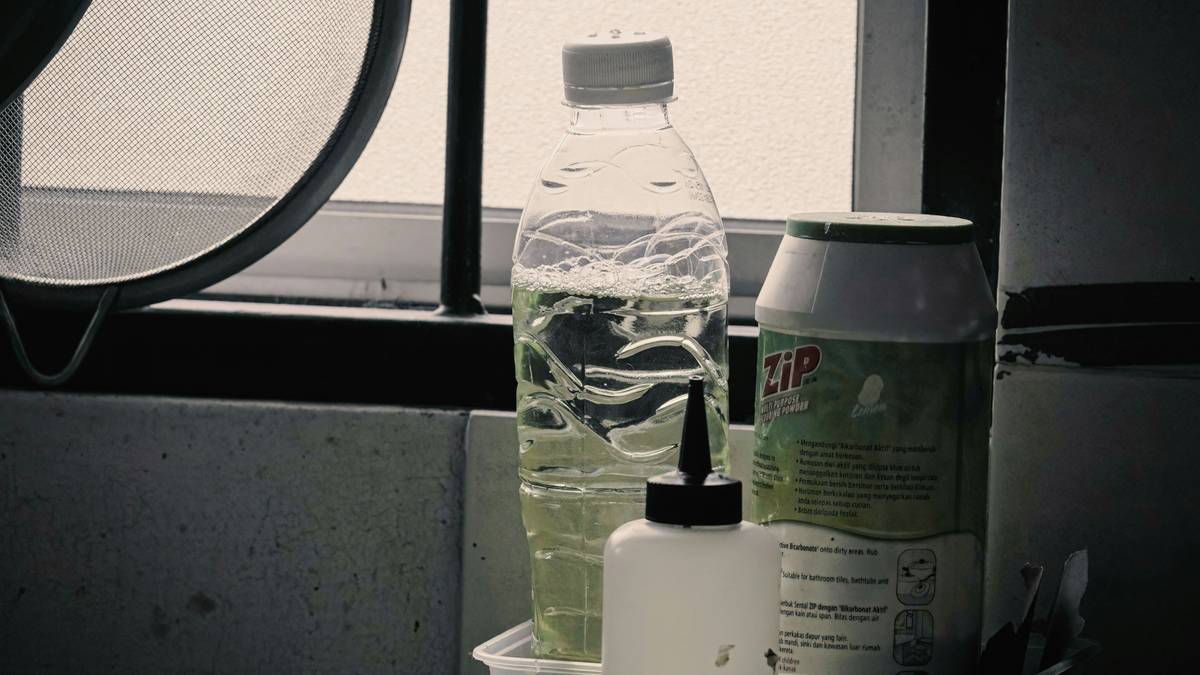
And let’s talk skin health: conventional dish soaps strip natural oils, leading to dryness and dermatitis. A 2022 study in the Journal of Dermatological Science found that frequent use of SLS-containing soaps increased hand eczema risk by 37% among home users. Your hands—and your local watershed—deserve better.
How to Choose a Truly Eco Friendly Dish Soap (Step-by-Step)
What certifications actually matter?
Optimist You: “Just grab anything with a leaf on it!”
Grumpy You: “Ugh, fine—but only if that leaf comes with EPA Safer Choice or Ecologo certification.”
Third-party seals are your best defense against greenwashing:
- EPA Safer Choice: Ingredients must pass toxicity, biodegradability, and environmental fate screening.
- Ecologo (UL 2784): Requires full lifecycle assessment, including packaging.
- Cradle to Cradle Certified: Evaluates material health, recyclability, and social fairness.
Avoid vague terms like “natural,” “green,” or “non-toxic” without verification.
Which ingredients should raise red flags?
Even “plant-derived” isn’t always safe. Watch for:
- Sodium Laureth Sulfate (SLES): Often contaminated with 1,4-dioxane, a probable human carcinogen (EWG).
- Fragrance/Parfum: Can hide 3,000+ undisclosed chemicals, many allergenic or persistent.
- Methylisothiazolinone: A preservative toxic to aquatic organisms at very low concentrations.
Instead, seek out alkyl polyglucosides (APGs)—sugar-and-coconut-derived surfactants with >95% biodegradability.
Should you buy liquid, bar, or tablet?
Concentrated formats win:
- Tablets/powders: Zero plastic, ultra-low shipping weight (e.g., Blueland, Earth Breeze).
- Bars: Long-lasting, minimal packaging—but may struggle in hard water.
- Liquids: Convenient but often over-diluted; choose brands offering pouch refills (like Grove Co.).
Pro tip: Run a hardness test on your tap water. If it’s above 120 ppm, avoid soap-based bars—they’ll leave scum.
Best Practices for Sustainable Dishwashing
- Use cold water. Heating water accounts for ~75% of dishwashing energy use (DOE). Modern eco soaps clean effectively in cold water thanks to enzyme technology.
- Dose precisely. One pump (or dime-sized bar swipe) is enough. More soap ≠ cleaner dishes—it just creates more rinse water waste.
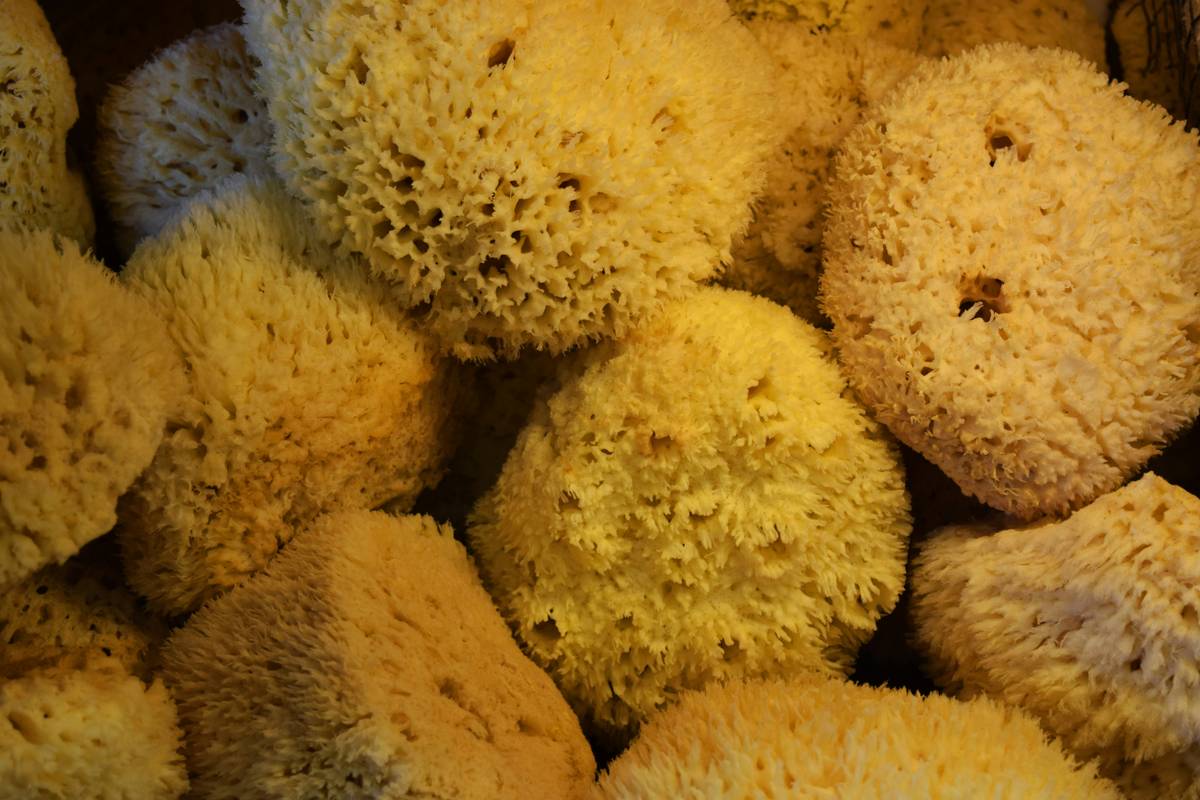
- Pair with a compostable sponge. Luffa or cellulose sponges break down in 6–12 months vs. plastic ones that last centuries.
- Store properly. Keep bars dry between uses on a draining dish—moisture breeds bacteria and shortens lifespan.
Terrible Tip Disclaimer
“Make your own dish soap with castile soap and vinegar.” Hard no. Castile soap + acidic vinegar = curdled, slimy mess that doesn’t cut grease. Save DIY for all-purpose cleaners—not dishes.
Real-World Case Studies: What Works (and What Flops)
Case 1: The Homesteader’s Switch (Oregon)
Sarah replaced her conventional Dawn with Meliora Dish Soap (Safer Choice certified). After 3 months, she reported:
- 30% less water usage (fewer rinses needed)
- No more cracked knuckles
- Compost bin stopped smelling like chemical residue
Bonus: Her septic system inspector noted improved microbial activity.
Case 2: The Apartment Renter’s Dilemma (Chicago)
With hard water (180 ppm), Miguel’s eco bar soap left white film on glasses. He switched to Dropps Dishwasher Pods (yes, for hand-washing—he dissolves one in warm water). Result? Spotless dishes, zero plastic, and his landlord approved the switch.
Rant Section: Why do brands still use opaque bottles that make it impossible to see how much soap is left? It’s 2024. Give us translucent or refillable containers—or at least a fill line! Watching me shake a $7 bottle like a maraca to guess levels? Not cute.
FAQs About Eco Friendly Dish Soap
Is biodegradable dish soap safe for greywater systems?
Only if it’s free of sodium, boron, and chlorine. Look for “greywater-safe” labels or check ingredient lists for sodium carbonate (washing soda)—which can harm soil structure.
Do eco friendly dish soaps kill bacteria?
Dish soap isn’t a disinfectant—it lifts grime so hot water can rinse it away. For sanitizing, use diluted vinegar or hydrogen peroxide after washing. The FDA confirms soap + scrubbing removes 99% of pathogens when done properly.
Are eco dish soaps more expensive?
Not long-term. Concentrated formulas (like Branch Basics) cost ~$0.08 per ounce vs. $0.12–$0.20 for conventional brands. Plus, you use less per wash.
Can I use eco dish soap in my dishwasher?
Absolutely not. Hand soap creates excessive suds that can flood machines. Use only dishwasher-specific eco pods/tablets.
Conclusion
Choosing a genuine eco friendly dish soap isn’t about perfection—it’s about progress. Start by ditching one toxic ingredient (like SLS) or switching to a refillable format. Over time, those small shifts add up to cleaner dishes, healthier skin, and waterways that thrive instead of choke.
Remember: sustainability isn’t a finish line. It’s showing up daily with curiosity, skepticism toward labels, and a willingness to rinse, repeat, and refine. Your next bottle could be the one that finally gets it right.
Like a Tamagotchi, your planet needs daily care—one thoughtful squirt at a time.
Haiku:
Grease meets sugar soap,
River smiles, hands stay soft—
Eco peace restored.